The Aguris, also known as Ugra Kshatriyas, are a Bengali Hindu community closely associated with Rarh Bengal, particularly Bardhaman and the neighbouring districts of Birbhum, Bankura and Hooghly. Their history brings together village life, cultivation, military service, enterprise, education and contributions to Bengal’s public life.[1][2]
Roots, service and settlement
Our Origins article argues that the Aguris may descend from the Nagadee forces, the Burdwan Raj’s cash-paid army. It links the force’s formation to the upheaval of 1696 and its eighteenth-century service to defending the Raj, including against the Maratha raids. On this reading, cash wages point to hired soldiers who initially held no local land.
As the East India Company reduced the force between 1763 and 1809, former soldiers turned to cultivation and landholding. Many became substantial peasants with holdings of 30–100 acres, joining the ranks of the jotedars. By 1891, Risley described many Aguris as holders of estates and tenures, and most as fairly prosperous cultivators.[1][3]
The community’s concentration in Burdwan—home to 73–87 per cent of Bengal’s Aguris in the censuses of 1872–1921—supports this account.[1] The article also reassesses the Chandimangal couplet and traces “Ugra Kshatriya” as a later name, documented from the 1870s and adopted in the 1931 census. Read From Nagadee to Jotedar for the full argument, timeline and sources.
Land, enterprise and community
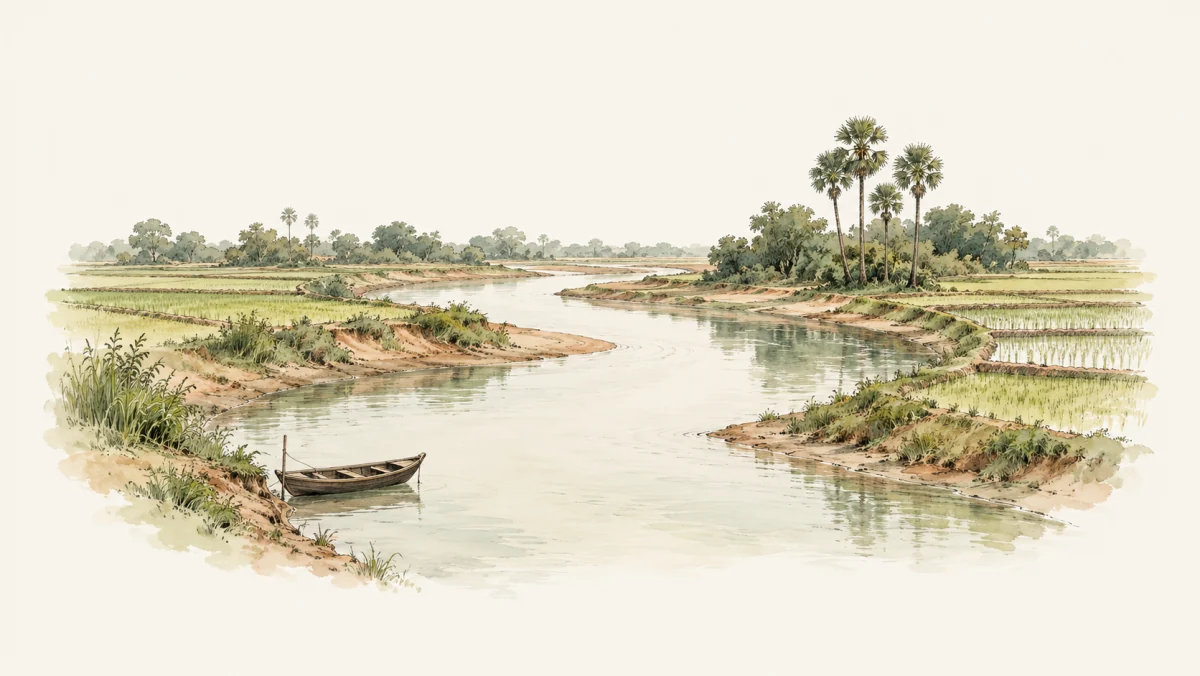
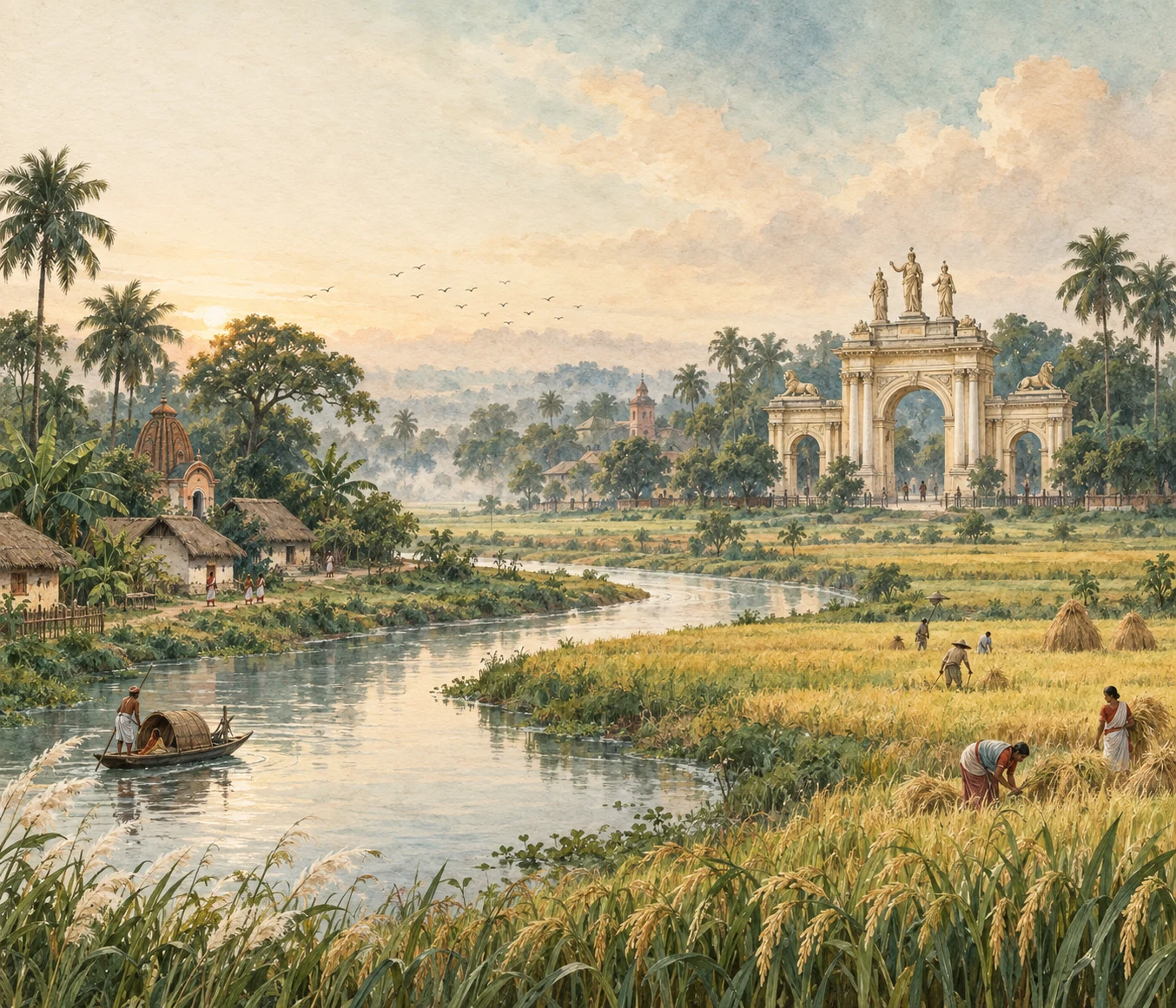
Agriculture remained central to many families, while others developed interests in grain trading, lending, rice milling and mining. Dutta describes the Hazras of Anguna in rice milling and coal mining, the Panjas of Sathinandi in trade and landed investment, and the Sahana family of Bankura in a range of commercial ventures (pp. 308–310). These histories sit alongside those of ordinary and poor cultivators; opportunity and wealth were unevenly shared.[1] The Places section connects this story with villages, rivers and the historical concentration of Aguris in Burdwan.
Community organisation brought education and social reform into public discussion. Dutta dates the Ugra Kshatriya Samiti to 1888 and describes support for poorer children’s education, efforts to bring Jana and Suta divisions closer together, opposition to dowry and advocacy of widow remarriage (pp. 311–313).[1] Explore these initiatives in Culture and community life.
Lives and traditions
The Aguris are a small community. No census has counted Bengal’s castes, other than Scheduled Castes and Tribes, since 1931, so their present numbers can only be estimated. Projected forward from the last verified census count, 68,816 in 1921, they number roughly 3.2 lakh today: about 0.32 per cent of West Bengal’s population.[1][4] Even in Burdwan, where they became locally dominant as landholders, they made up only about 4 per cent of the district’s population in the censuses of 1911 and 1921.[1][5]
Despite these numbers, Aguris have held a prominent place in Bengal’s public life across its political spectrum. On the left, Benoy Choudhury led the Left Front’s land reforms from 1977; a tribute at his death called him the most senior member of the West Bengal cabinet after Jyoti Basu.[6][1] The Konar brothers shaped the CPI(M)’s peasant movement: Hare Krishna Konar as land and land revenue minister in both United Front governments, and Benoy Krishna Konar as president of the All India Kisan Sabha.[7][8][9] In the Congress, Jadabendra Nath Panja, a state minister, was president of the West Bengal Pradesh Congress Committee from 1958 to 1961.[10] In later decades the family of Ajit Kumar Panja played a leading part, first in the Congress and later in the Trinamool Congress. Ajit Kumar Panja represented Calcutta North-East for twenty years and served as a Union minister; his brother, Dr Ranjit Kumar Panja, represented Barasat; and his daughter-in-law, Dr Shashi Panja, was a state minister from 2013 to 2026.[11][12][13][14] Since May 2026, Agnimitra Paul, MLA for Asansol Dakshin, who married into an Aguri family, has been a minister in the state’s BJP government.[15][16][17]
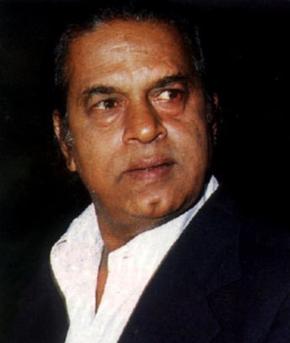
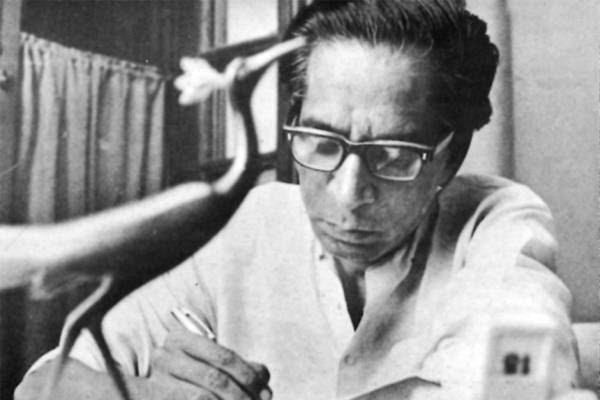
The community has also left its mark on Bengal’s culture. Pratap Chandra Ray published a complete English Mahabharata; Shakti Samanta directed Hindi and Bengali films from Aradhana to Amanush; Ramapada Chowdhury, a Sahitya Akademi Award winner, shaped modern Bengali fiction as novelist and editor; and Satya Kinkar Sahana of Bankura wrote poetry and studies of literature and religion.[18][19][20][1] The People collection gives sources for each life and, where one has been found, for the community connection.
Heritage also lives in shared observances and village ties. The account of Yogadya worship at Khirgram, for example, places Aguri participants within a festival involving several communities.[21] Such connections invite us to preserve everyday memories alongside the lives of well-known people.
Explore the heritage
This website brings together history, culture, places and biographies, supported by Bengali books, historical records and scholarship. The research collection includes Dutta’s study and Sudarshana Bhaumik’s account of Bengal’s changing social world. You can also read Rajput O Ugrakshatriya in English and explore selected translated writings. The Ugrakshatriya-Pratinidhi volumes are preserved among the resources supporting this wider community history.
Whether you are tracing a family, revisiting a village or meeting the Aguri community for the first time, welcome. Use the language selector at the top right to read in English or Bengali. If you have photographs, documents or memories to share, the contribution guide explains how to help preserve them for future generations.