An independent community heritage project

The heritage projectPeopleAjit Kumar Panja

Ajit Kumar Panja

Ajit Kumar Panja brought legal training and an interest in the arts to public life.

Last updated:

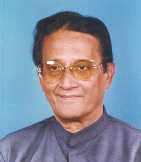
Official parliamentary portrait of Ajit Kumar Panja
Parliament of India, Lok Sabha. Original portrait, via Wikimedia Commons. GODL–India.
Cite this page

Aguri Heritage. “Ajit Kumar Panja.” Last updated: . https://aguri-heritage.in/person-ajit-kumar-panja.

Citing this page does not grant permission to republish it. Copyright & reuse.

Law · Parliament · Theatre

Life and work

1936–2008 · Former Union minister

Ajit Kumar Panja brought legal training and an interest in the arts to public life. Born in Calcutta, he studied at Scottish Church College and Lincoln’s Inn, London. Before entering the Lok Sabha in 1984, he served in West Bengal’s Assembly and government, including responsibility for health and family planning in 1972–1977.[1]

He represented Calcutta North-East in six successive Lok Sabhas, from the Eighth to the Thirteenth (1984–2004). His Union portfolios included information and broadcasting, finance, coal and external affairs. Parliament’s obituary also remembered his Bengali and English writing and his work on the stage.[2]

His books included Sansad Bichitra and a handbook for health and mine workers. In June 1992 he led a delegation to Britain, France and Germany to study parliamentary broadcasting.[1]

This profile follows the notable-person list in Wikipedia’s Aguri article. The biographical sources cited here document the person’s life and work.[3]
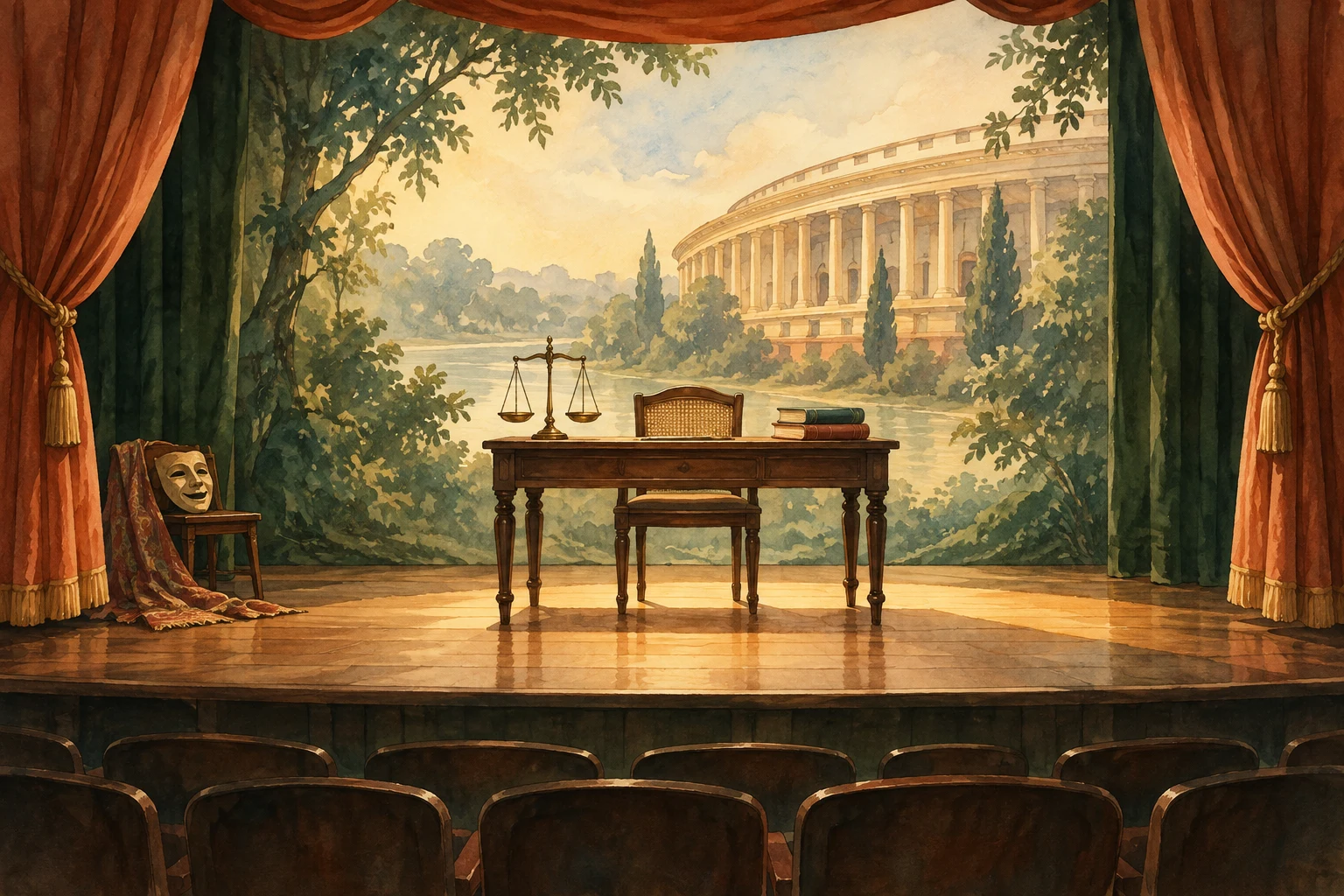
The Public StageAn illustration inspired by this life and work

Explore all featured personalities →

How the collection was selected

Notes & sources

  1. Ajit Kumar Panja — Eleventh Lok Sabha biographical sketch. The reproduced biography was read directly; it describes the career as recorded during the Eleventh Lok Sabha. Source details
  2. Lok Sabha, obituary references, 10 December 2008 — Ajit Kumar Panja. Indexed text of the parliamentary record consulted. The archive’s PDF endpoint was intermittently unavailable during this review. Source details
  3. “Aguri (caste)” — reference article and bibliography. The listed community connections are attributed to this article. Life and career accounts are separately sourced; the underlying books have not all been checked. Source details

Search the heritage project

Enter a word or phrase to begin.

For Bengali text inside the journals, use the journal reader.