An independent community heritage project

The heritage projectPeople

Lives behind the history

Biographical profiles in public service, medicine, literature, cinema, education and journalism.

Last updated:

Cite this page

Aguri Heritage. “Lives behind the history.” Last updated: . https://aguri-heritage.in/people.

Citing this page does not grant permission to republish it. Copyright & reuse.

Explore the lives featured in this heritage collection, spanning public service, medicine, literature, cinema, education and journalism. Their biographies, photographs and published recollections connect individual achievements with Bengal’s wider history. The selection note explains the sources for community connections.

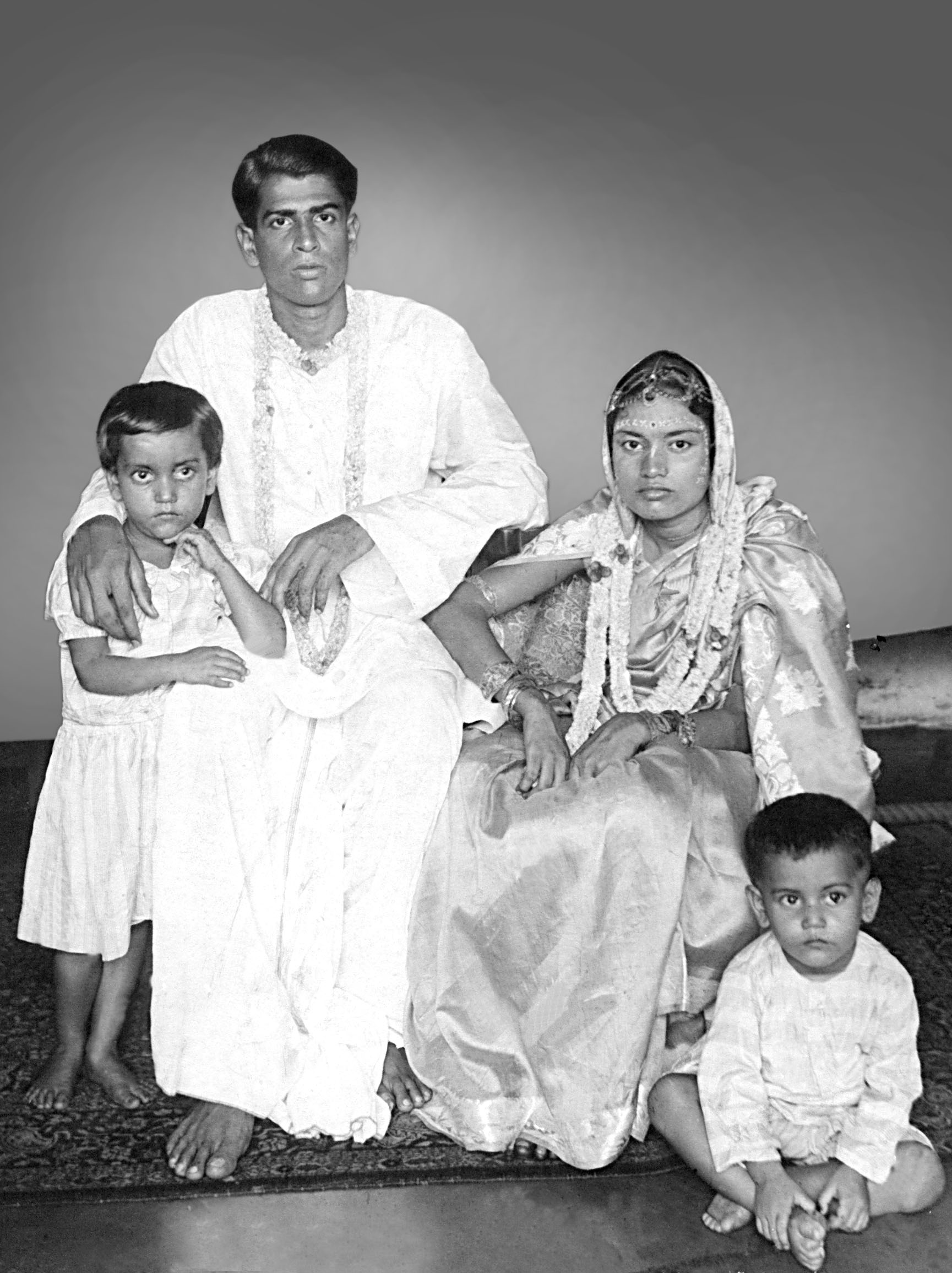
Hare Krishna Konar and Biva Konar with two children in an early family photograph
Hare Krishna Konar with Biva Konar; dated 1941 in the Commons catalogue. Credited there to West Bengal State Archives; marked public domain in India. The children are not identified in the catalogue.

Revolutionary prisoner · Peasant movements · Land reform

Hare Krishna Konar

1915–1974 · Peasant organiser, legislator and land minister

Hare Krishna Konar was born on 5 August 1915 in Burdwan district. Accounts differ on his birthplace: Biman Basu’s centenary article gives Memari, while Wikipedia names Kamargoria. Basu records that he was first arrested in 1930, at the age of fifteen, during the civil disobedience campaign.[1][2]

Most detailed accounts of Konar’s life come from party colleagues and family members, and they should be read as such. A full independent biography has not been located. The community connection rests on Dutta, who names him among Ugra Kshatriya freedom-movement figures in Explorations in Colonial Bengal, p. 314; it is not inferred from his surname.[3]
Read the full profile of Hare Krishna Konar →

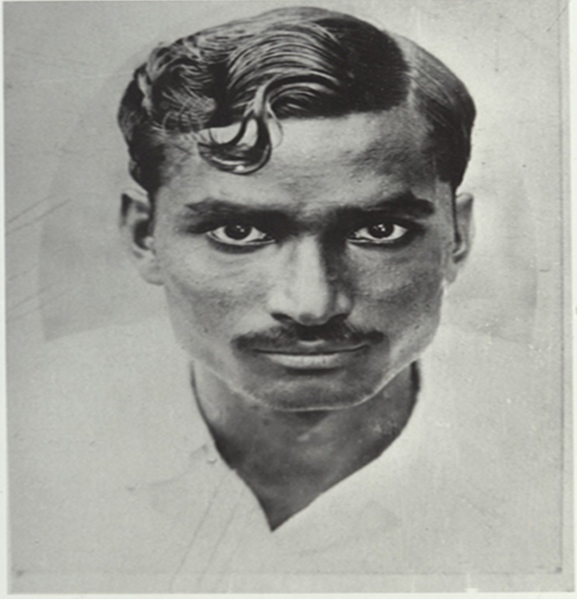
An early black-and-white portrait of Benoy Choudhury
Early portrait of Benoy Choudhury. Photographer unknown. Wikimedia Commons dates it before 1960 and marks it public domain in India.

Communist politics · Land reform · Rural development

Benoy Choudhury

1911–2000 · Freedom fighter and CPI(M) leader[4]

Benoy Choudhury began in revolutionary politics. In an interview-based recollection, he places his entry to Serampore College with Saroj Mukherjee, and his joining Jugantar, in 1928. He also recalls meeting Bhupendranath Datta that year and attending Datta’s classes for revolutionaries.[5]

Dutta explicitly names him among Ugra Kshatriya figures in the freedom movement and later political life, in Explorations in Colonial Bengal (2023), p. 314.[3]

Read the full profile of Benoy Choudhury →

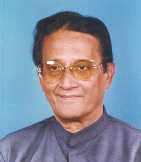
Official parliamentary portrait of Ajit Kumar Panja
Parliament of India, Lok Sabha. Original portrait, via Wikimedia Commons. GODL–India.

Law · Parliament · Theatre

Ajit Kumar Panja

1936–2008 · Former Union minister

Ajit Kumar Panja brought legal training and an interest in the arts to public life. Born in Calcutta, he studied at Scottish Church College and Lincoln’s Inn, London. Before entering the Lok Sabha in 1984, he served in West Bengal’s Assembly and government, including responsibility for health and family planning in 1972–1977.[6]

Read the full profile of Ajit Kumar Panja →

Verified portrait not yet located
A photograph will be added when its identity and source can be verified.

Freedom movement · Law · Public service

Jadabendra Nath Panja

1886–1961 · Freedom fighter and state minister

Jadabendra Nath Panja graduated from Burdwan Raj College.[7] Dutta records his law degree from Ripon College in 1911 and his decision to leave legal practice for the freedom movement in 1920.[3]

Dutta identifies his Ugra Kshatriya family on p. 310 and names him among the community’s freedom-movement figures on p. 314. His community connection is drawn from those passages.[3]

Read the full profile of Jadabendra Nath Panja →

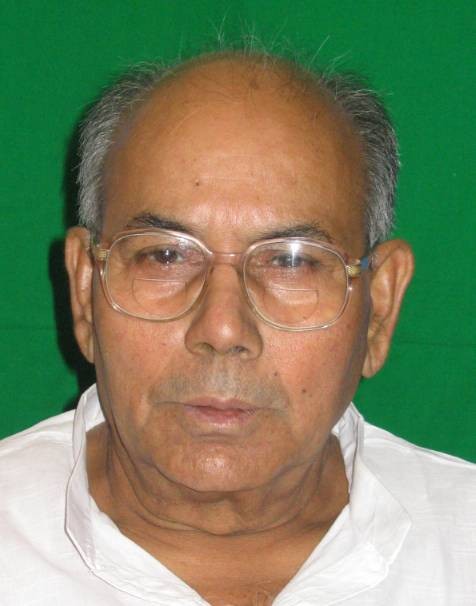
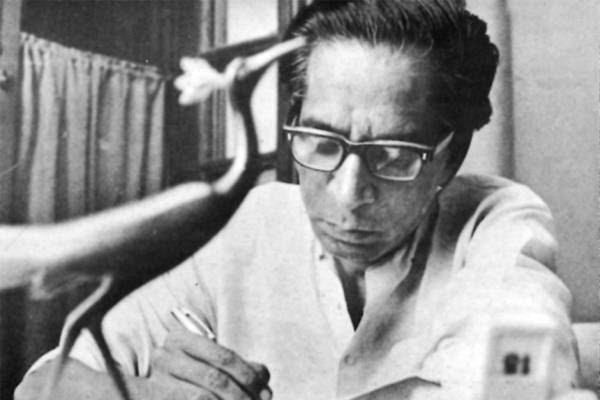
Benoy Krishna Konar wearing glasses and a white shirt
Benoy Krishna Konar. Photograph accompanying People’s Democracy’s memorial tribute, 21 September 2014. Photographer not named; image rights remain with their respective holder.

Agrarian politics · Political writing

Benoy Krishna Konar

1930–2014 · Peasant organiser and legislator

Benoy Krishna Konar was Hare Krishna Konar’s younger brother. His political work began in Burdwan’s movements during the 1950s, and he spent time underground to avoid arrest.[8] He emerged from the peasant movement around Memari and represented the constituency after the Assembly elections of 1969, 1971 and 1977.[9][10]

Read the full profile of Benoy Krishna Konar →

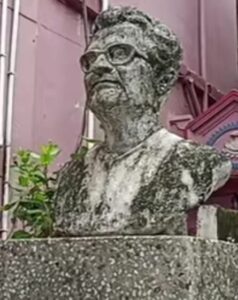
A commemorative bust of Dasarathi Tah, wearing glasses
Commemorative bust of Dasarathi Tah. Photograph published with Krishaksetu News’s account of his life, 15 August 2026. Image rights remain with their respective holder.

Freedom movement · Journalism · Public service

Dasarathi Tah

1911–1980 · Freedom fighter, editor and legislator

Dasarathi Tah joined Congress in 1930 and participated in the Salt Satyagraha and Quit India movements.[11] Historian Sukanta Pramanik records a leaflet issued by Tah on 26 August 1942, printed at Raina Bazar, urging students to join the freedom struggle. The same study describes his organisation of a hartal at Jamalpur and Kalna on 1 September.[12]

Dutta names Dasarathi Tah among Ugra Kshatriya participants in the freedom movement, in Explorations in Colonial Bengal, p. 314. This community reference is distinct from the biographical sources above.[3]

Read the full profile of Dasarathi Tah →

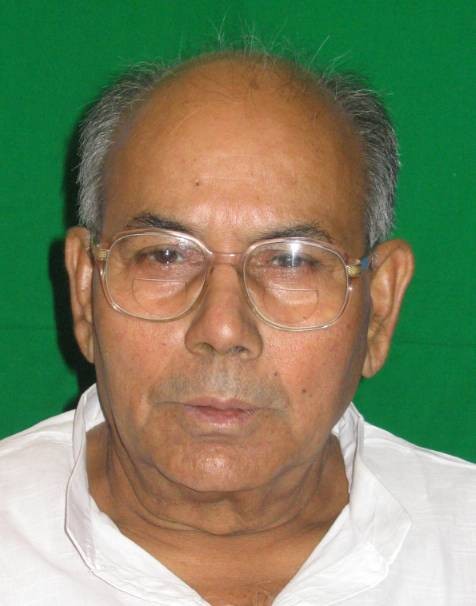
Official parliamentary portrait of Nikhilananda Sar
Parliament of India, Lok Sabha. Original portrait. Reproduced with attribution under GODL–India.

Teaching · Local government · Parliament

Nikhilananda Sar

1936–2020 · Teacher and parliamentarian[13]

Born in Negun in Burdwan, Nikhilananda Sar combined teaching with rural public life. His parliamentary biography lists an honours degree, teacher training and an English-language-teaching diploma, with study at Burdwan Raj College, Calcutta University and North Bengal University.[14] A Bengali obituary recalls his teaching at Amarun and Jabagram high schools and peasant organising from 1958.[13]

Read the full profile of Nikhilananda Sar →

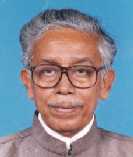
Official parliamentary portrait of Dr Ranjit Kumar Panja
Parliament of India, Lok Sabha. Original portrait. Reproduced with attribution under GODL–India.

Medicine · Teaching · Parliament

Dr Ranjit Kumar Panja

1932–2006 · Dermatologist and parliamentarian[15][16]

Ranjit Kumar Panja studied at Medical College, Calcutta, and the Royal College of Physicians, Edinburgh. He taught dermatology at Calcutta’s Medical College, serving as professor from 1974 to 1990.[15]

Read the full profile of Dr Ranjit Kumar Panja →

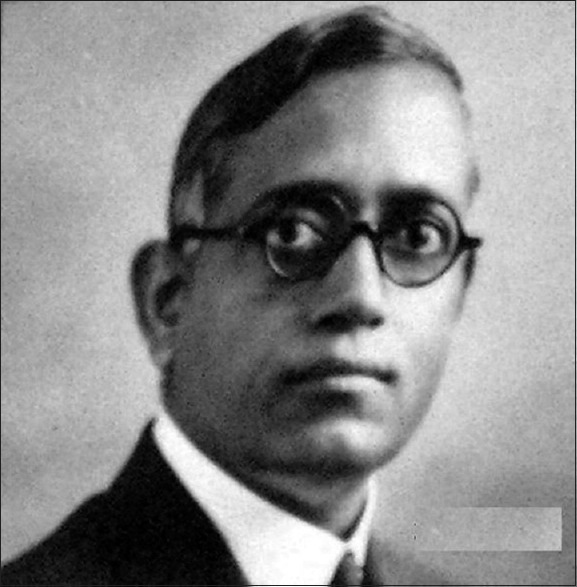
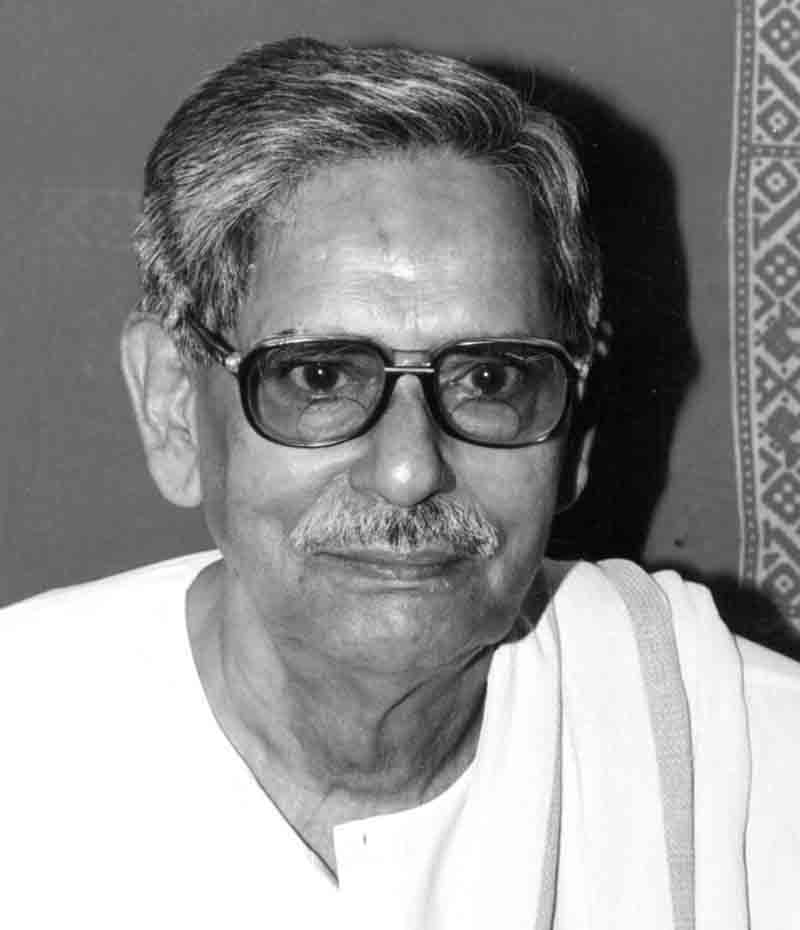
Verified historical portrait of Dr Ganapati Panja wearing glasses
Ganapati Panja. Figure 2 in Saumya Panda, Indian Journal of Dermatology (2015). CC BY-NC-SA 3.0; image unchanged. Original photographer not identified. View another portrait and a Bengali biography in Anandabazar Patrika (2 January 2017).

Dermatology · Medical research · Publishing

Dr Ganapati Panja

1891–1959 · Founding editor of the Indian Journal of Dermatology

Ganapati Panja was a dermatologist and bacteriologist at Calcutta’s School of Tropical Medicine, which he joined as an assistant professor in 1921. A Rockefeller scholarship took him to London for bacteriology research in 1932.[17]

Achintya Kumar Dutta names Ganapati Panja of Majhigram among the community’s intellectual figures, pp. 313–314.[3]

Read the full profile of Dr Ganapati Panja →

Verified portrait not yet located
A photograph will be added when its identity and source can be verified.

Dermatology · Medical heritage

Dr Dhanapati Panja

Dermatologist · The Panja medical family

Dhanapati Panja was a dermatologist and the younger brother of Ganapati Panja. Published family accounts place both brothers in Bengal’s early history of specialist skin medicine.[17][18]

Included at the project owner’s suggestion. The cited sources establish his medical and family background; a separate published source explicitly identifying his own community affiliation has not yet been located.

Read the full profile of Dr Dhanapati Panja →

Verified portrait not yet located
A photograph will be added when its identity and source can be verified.

Mathematics · Research · Education

Dr Manohar Ray

Principal of Agra College, 1960–1970

Manohar Ray was a mathematician and educationist from Nasigram.[3] Agra College’s official list records his principalship from 1960 to 1970, alongside his doctorates and fellowships in Indian scientific academies.[19]

Dutta includes the mathematician from Nasigram among Ugra Kshatriya intellectual figures, pp. 313–314. “Ray” follows the college and Royal Society records; Dutta uses “Roy.”[3]

Read the full profile of Dr Manohar Ray →

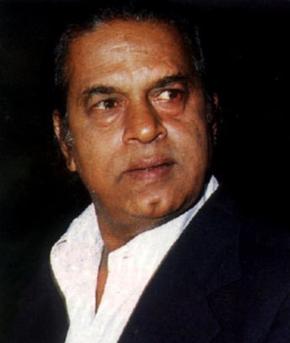
Portrait of film director and producer Shakti Samanta
Shakti Samanta. Low-resolution historical portrait from Wikipedia’s image record, which credits Yahoo! Movies. Copyright retained by the original rights holder; the record identifies this as a non-free image.

Bengali & Hindi cinema

Shakti Samanta

Director and producer · Founder of Shakti Films

Born in Burdwan, Shakti Samanta built a career across Hindi and Bengali cinema. He founded Shakti Films in 1957. The studio credits him with directing 43 feature films, six of them in Bengali. His best-known works include Howrah Bridge, Aradhana, Kati Patang, Amar Prem and Amanush.[20]

Read the full profile of Shakti Samanta →

Novelist Ramapada Chowdhury wearing glasses and writing at his desk
Ramapada Chowdhury at work. Credited to Jahidmrr on Wikimedia Commons, under CC BY-SA 4.0. Image unchanged.

Bengali fiction · Editing · Cinema

Ramapada Chowdhury

1922–2018 · Novelist, short-story writer and editor[21]

Born in Kharagpur, Ramapada Chowdhury became a distinctive voice in modern Bengali fiction. He wrote his first story, Tragedy, in 1940.[22] His first novel, Pratham Prahar, appeared in 1954, followed by the wider recognition brought by Banpalashir Padabali in 1960.[21]

Included at the project owner’s suggestion. The cited biographies document his literary career, but do not establish his Aguri / Ugra Kshatriya connection.

Read the full profile of Ramapada Chowdhury →

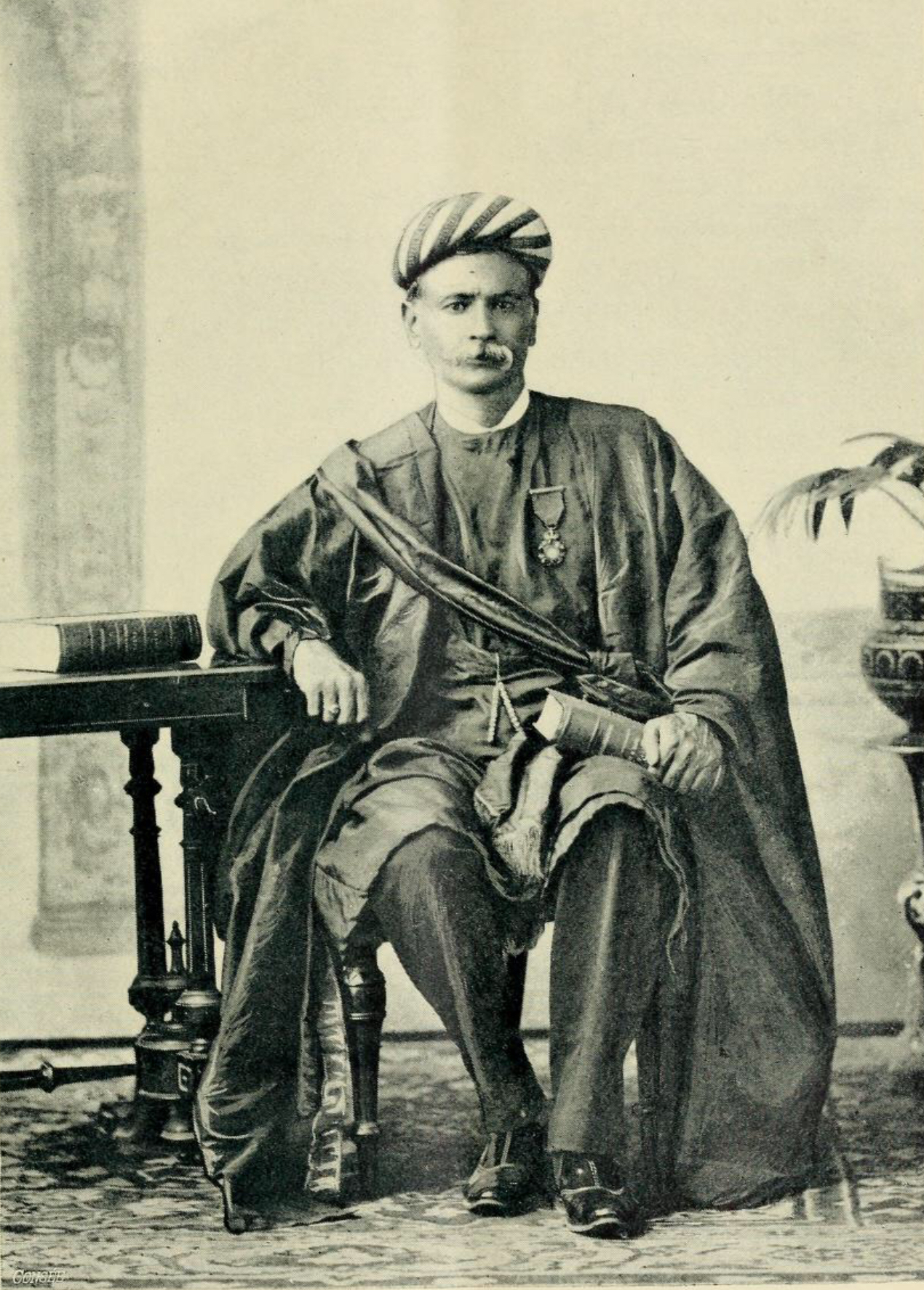
Pratap Chandra Ray seated beside a table with books, wearing a turban and a medal
Portrait from an early Mahabharata volume; dated 31 December 1894 in the Wikimedia Commons catalogue. Photographer unidentified; marked public domain in India. Original scanned volume.

Publishing · Sanskrit literature · English readership

Pratap Chandra Ray

1842–1895 · Publisher of the English Mahabharata[23]

Pratap Chandra Ray was a Calcutta bookseller and publisher associated with bringing Indian classics to a wider readership. He undertook the publication of a complete English prose Mahabharata, which appeared in instalments between 1883 and 1896.[24]

Read the full profile of Pratap Chandra Ray →

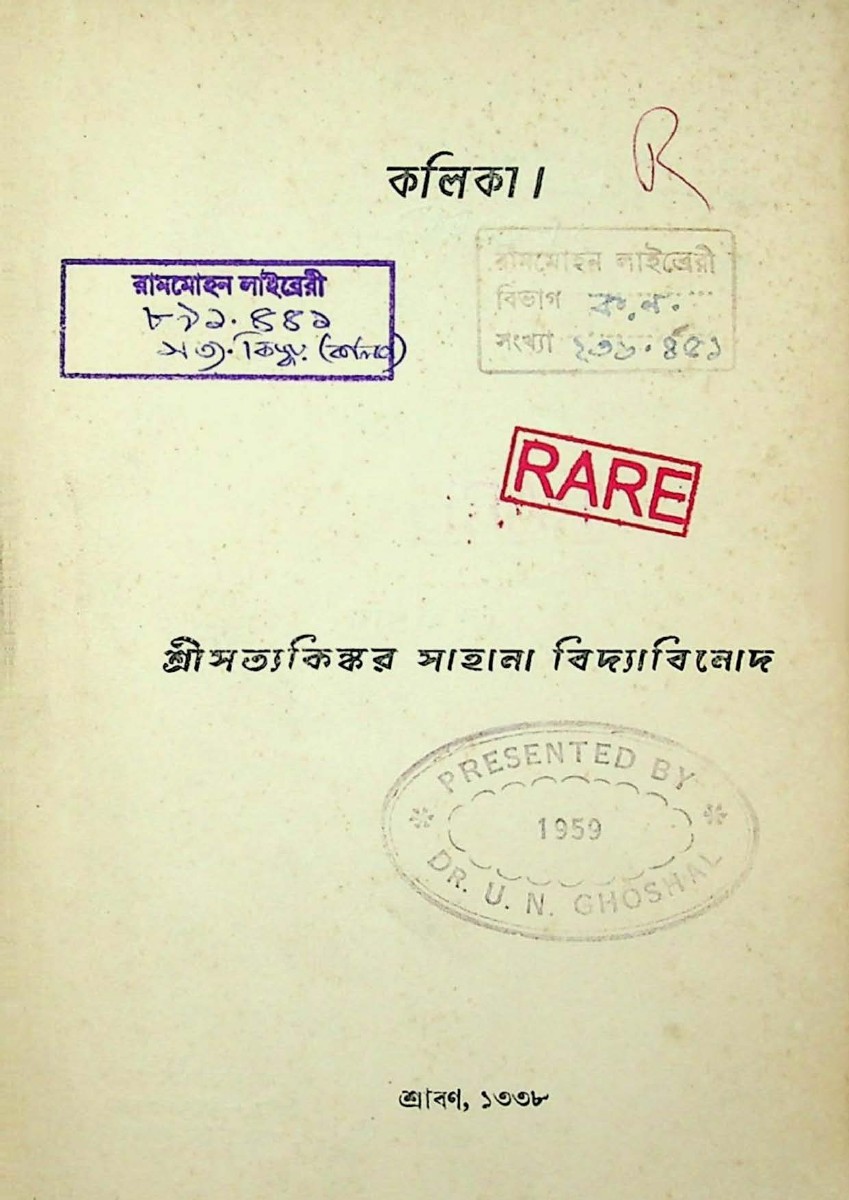
Title page of Kalika (1931), bearing Satya Kinkar Sahana’s name
Satya Kinkar Sahana’s Kalika (1931), title page. Book scan shown in place of a portrait. Rammohun Library / West Bengal Wikimedians, via Bengali Wikisource; marked public domain in India.

Bengali literature · Poetry · Scholarship

Satya Kinkar Sahana

Bankura · Writer and scholar

Satya Kinkar Sahana was a Bankura writer and scholar whose interests ranged across poetry, literature, philosophy and religion. Dutta discusses his Sakuntala Rahasya and Hindu Dharma among the community’s literary contributions.[3]

Dutta includes Sahana of Bankura in his account of Ugra Kshatriya intellectual life, p. 314.[3]

Read the full profile of Satya Kinkar Sahana →

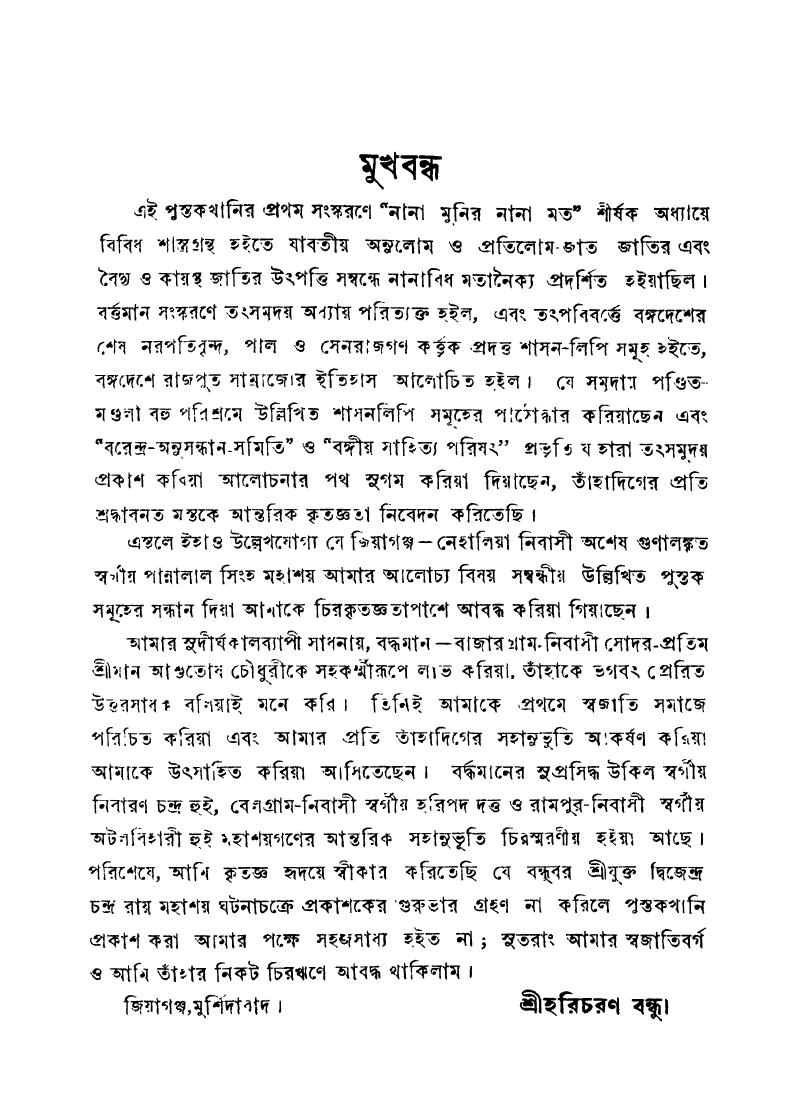
Scanned page bearing Haricharan Bandhu’s signed Bengali foreword
Haricharan Bandhu’s signed foreword, Rajput O Ugrakshatriya (1940). Source page shown in place of a portrait. Bangiya Sahitya Parishad / Digital Library of India, via Internet Archive; catalogue marked public domain.

Community history · Bengali writing · Archives

Haricharan Bandhu

Compiler of Rajput O Ugrakshatriya

Haricharan Bandhu compiled Rajput O Ugrakshatriya, whose second edition appeared in 1940. Its publisher placed the first edition approximately thirty years earlier. The dedication, prefaces and historical arguments survive in the digitised book and this website’s reading collection.[25]

His signed foreword supplies direct community identification. A fuller life history remains to be documented.[25]

Read the full profile of Haricharan Bandhu →

How the collection was selected

The original seven profiles follow the notable-person list in Wikipedia’s Aguri article, consulted in September 2026. The notes beside each biography identify sources for the person’s life and work.[26] Pratap Chandra Ray’s community connection is explicitly recorded in Bhattacharya’s Hindu Castes and Sects (1896), p. 158.[27] Dutta’s chapter now supplies scholarly references for Pratap Chandra Ray (p. 313), Benoy Choudhury, Hare Krishna Konar and Dasarathi Tah (p. 314); spellings vary between publications.[3] Ramapada Chowdhury was included at the project owner’s suggestion; the cited biographies cover his literary career without establishing his community affiliation.

Dutta also identifies Ganapati Panja, Jadabendra Nath Panja, Satya Kinkar Sahana and Manohar Ray in his discussion of community figures (pp. 310–314).[3] Haricharan Bandhu’s signed foreword supplies his own community identification.[25] Dhanapati Panja is included at the project owner’s suggestion; his profile distinguishes documented biographical facts from the suggested community connection.

Notes & sources

  1. Biman Basu, “The Birth Centenary of Comrade HareKrishna Konar” (2014). Partisan remembrance, read directly; conflicting prison dates and age excluded. Source details
  2. Hare Krishna Konar — Wikipedia. Article read 6 October 2026; Cellular Jail section read 8 October 2026. Several claims in the article (languages, foreign party memberships) lack adequate sourcing and are not used; its account of the 1937 hunger strike has no specific references. Source details
  3. Achintya Kumar Dutta, “Prosperity, Dominance, and Social Mobility: Emergence of a Mobile Caste in Colonial Southwest Bengal” (2023), pp. 297–324. Complete chapter, including endnotes and references, read directly in the supplied book. Page references use its printed pagination. Origin hypotheses remain attributed to the author. Link opens the publisher’s book record. Source details
  4. Andrew Whitehead, “Communist Voices: Benoy Choudhury” — interview, June 1992. The interviewer’s written introduction was read. Audio is linked for further exploration; no transcript or direct quotation is claimed. Source details
  5. Benoy Choudhury, “আমার বিপ্লবী জীবনে বিবেকানন্দ”. Read fully. Original interview/date unidentified; college-entry chronology conflicts with a government summary. Source details
  6. Ajit Kumar Panja — Eleventh Lok Sabha biographical sketch. The reproduced biography was read directly; it describes the career as recorded during the Eleventh Lok Sabha. Source details
  7. Pradip Kumar Chattopadhyay — Burdwan freedom-fighters feature (15 August 2026). Read directly. Conflicting birth year and imprecise legislative terminology omitted. Source details
  8. “মনে রাখবে শুধু মানুষের কথা, বলতেন বিনয়” — Anandabazar Patrika (15 September 2014). Article read. Eye donation reported completed; body transfer was prospective. Offices described are historical. Source details
  9. Benoy Krishna Konar — Wikipedia. Article read 13 September 2026. Source details
  10. “হরেকৃষ্ণ শতবর্ষেই প্রয়াত বিনয় কোঙার” — Anandabazar Patrika (15 September 2014). Bengali article read directly; used in an original English paraphrase. Source details
  11. Dasarathi Tah — Wikipedia. Article read directly; the cited biographical dictionary passage has not been independently checked. Source details
  12. Sukanta Pramanik, “Spontaneity, Resistance and Radicalism” (2025). PDF read. Underlying newspaper and archival records not independently inspected. Source details
  13. Nikhilananda Sar obituary — Anandabazar Patrika (2020). Article read directly. The profile gives life years only: this obituary and Wikipedia differ on the precise July 2020 death date. Source details
  14. Nikhilananda Sar — Twelfth Lok Sabha biographical sketch. Read directly; historical roles. Source details
  15. Dr Ranjit Kumar Panja — Twelfth Lok Sabha biographical sketch. The reproduced biography was read directly. It is a period account, not a complete retrospective biography. Source details
  16. “Ranjit Panja dead” — The Telegraph. Death year corroboration only. Source details
  17. Baridbaran Ghosh, Ganapati Panja biography — Anandabazar Patrika (2 January 2017). Used for the brothers’ relationship and the specified career and educational work. Ganapati’s achievements are not transferred to Dhanapati. Source details
  18. Ei Samay, obituary of dermatologist Salil Kumar Panja (1 September 2023). Family and medical context. The obituary’s subject and photograph are Salil, not Dhanapati. Source details
  19. Agra College — Our Principals. College list read directly. Uses the spelling Ray; Dutta identifies the mathematician of Nasigram as Manohar Roy. Source details
  20. Shakti Samanta — Shakti Films / Aradhana Films biography. Birth year 1925 differs from the widely reported 1926; the profile omits it. The precise language/category of the claimed Amanush Best Film award remains unresolved and is not used. No studio portrait is reused. Source details
  21. Ramapada Chowdhury — biographical reference. Life and literary career only; this biography does not establish an Aguri community connection. Source details
  22. Argha Bandyopadhyay, “Ghorer Manush” — Anandabazar Patrika, 11 December 2022. Full article read. Used for career details, not community affiliation. Source details
  23. Pratāpacandra Rāya (Pratap Chandra Roy), Wikidata authority record. Consulted 14 September 2026. Used narrowly for the lifespan and name variants, not for community identity or attribution of the Mahabharata translation. Source details
  24. The Complete Mahabharata in English: publisher’s preface. Publisher’s preface consulted 14 September 2026. Used for the publication history and division of roles; the website does not follow later misattributions of the translation to Roy. Source details
  25. হরিচরণ বন্ধু, রাজপুত ও উগ্রক্ষত্রিয় — Rajput O Ugrakshatriya, second edition (1940). English reading translation of the dedication, prefaces, all nine chapters and surviving conclusion available as a 98-page PDF, with original errata sheets and a translator’s note. Printed pages 142–143 are missing from the digitised original. Uncertain readings are marked; this is not a fully verified scholarly edition. Separate preface readings include Bengali transcriptions and source images. Source details
  26. “Aguri (caste)” — reference article and bibliography. The listed community connections are attributed to this article. Life and career accounts are separately sourced; the underlying books have not all been checked. Source details
  27. Jogendra Nath Bhattacharya, Hindu Castes and Sects (1896), contents p. x and pp. 156–158. Evidence of Bhattacharya’s classification and account, not official army recruitment or a regiment. His caste hierarchy, scriptural genealogy and character stereotypes are historical claims, not present-day facts. The chapter prints the translator’s name as “Kishori Mohan Ganguli”; the profile uses Kisari Mohan Ganguli, as credited in the Mahabharata edition’s publisher’s preface. Source details

Search the heritage project

Enter a word or phrase to begin.

For Bengali text inside the journals, use the journal reader.